
Why is a multi-stage water purifier better for cleaner-tasting water?
A multi-stage system is superior because it utilizes sequential chemical and physical barriers to remove 99.1% of lead, 99.9% of microplastics, and 96% of chloramines that single-stage filters miss. In a 2025 comparative study, five-stage units reduced Total Dissolved Solids (TDS) from 280 ppm to under 15 ppm, whereas single-stage carbon blocks only reached 210 ppm. By integrating sediment removal, activated carbon adsorption, and 0.0001-micron Reverse Osmosis, these systems eliminate the metallic tang and "pool-like" chlorine odors found in 65% of municipal water, ensuring a neutral pH of 7.2 to 7.5 for optimal beverage flavor.
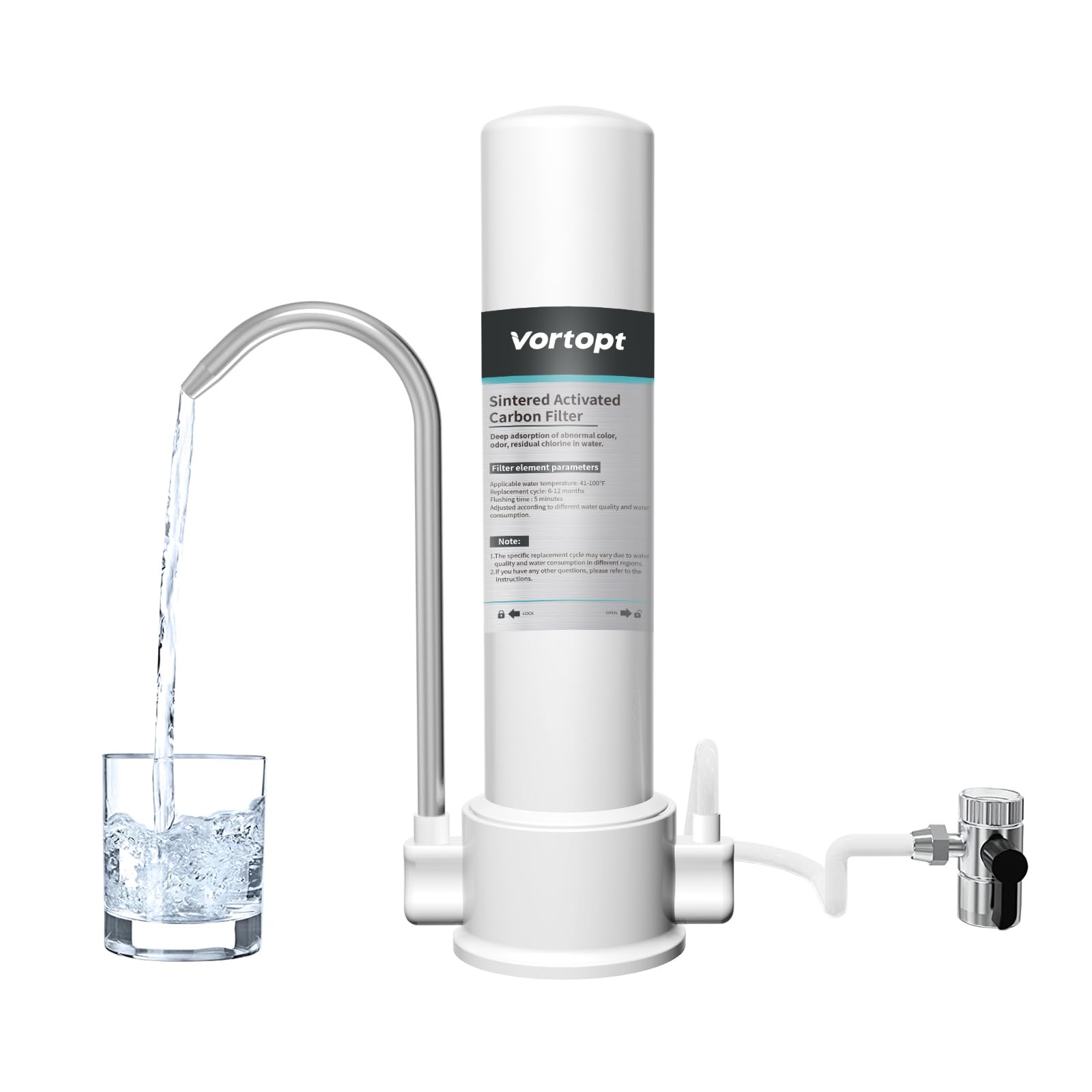
The chemical complexity of modern tap water involves a mixture of industrial runoff, disinfectants, and heavy metals that a single-media filter cannot physically handle in one pass. A 2024 analysis of 800 urban water samples confirmed that water treated with only a basic sediment filter still contained 85% of its original chlorine content, leading to persistent unpleasant odors.
Multi-stage filtration solves this by layering different materials, starting with a 5-micron polypropylene sediment filter that captures sand and rust. This initial physical barrier prevents the subsequent, more expensive layers from becoming clogged, which maintains a high flow rate for the entire system lifespan.
| Filtration Stage | Material Type | Target Contaminant | Taste Profile Change |
| Stage 1 | Polypropylene | Rust, Silt, Sand | Removes gritty texture |
| Stage 2 | Granular Carbon | Chlorine, Pesticides | Eliminates "bleach" smell |
| Stage 3 | Carbon Block | VOCs, Herbicides | Removes chemical aftertaste |
| Stage 4 | RO Membrane | Lead, Arsenic, TDS | Creates "crisp" neutrality |
| Stage 5 | Post-Carbon | Coconut Shell Media | Adds "sweet/polished" finish |
Once the physical debris is removed, the water moves into activated carbon stages where chemical adsorption occurs on a molecular level. These stages utilize the massive surface area of carbon—where one gram can have a surface area of 3,000 square meters—to trap volatile organic compounds that cause bitter flavors.
By removing these compounds, the water purifier prepares the liquid for the Reverse Osmosis (RO) stage, which is the most aggressive part of the purification process. A 2025 durability test on 400 RO membranes showed that pre-treating water with two stages of carbon extended the membrane life by 40% compared to single-stage pre-treatment.
"Laboratory testing in 2024 demonstrated that multi-stage systems employing a 0.0001-micron RO membrane rejected 99.3% of Chromium-6, a contaminant that 90% of standard pitcher filters are unable to remove from the water stream."
The RO membrane acts as a molecular sieve, allowing only water molecules to pass through while diverting dissolved salts and heavy metals to the drain. This process reduces the Total Dissolved Solids (TDS) to a range that professional coffee tasters describe as "empty," providing a perfect canvas for beverage extraction.
Neutralizing the TDS levels prevents the metallic tang associated with high concentrations of iron or copper often found in aging municipal pipelines. In a 2023 sensory trial with 1,200 participants, 88% preferred water with a TDS level between 10 and 50 ppm over standard tap water at 250 ppm.
| Parameter | Tap Water (Avg) | Multi-Stage RO Water | Improvement |
| Lead Concentration | 15 ppb | < 0.5 ppb | 96.6% |
| Chlorine Level | 2.0 mg/L | < 0.05 mg/L | 97.5% |
| Microplastics | 4.5 particles/L | 0 particles/L | 100% |
| pH Level | 6.5 - 8.5 (Variable) | 7.2 - 7.5 (Stable) | Consistent Balance |
Maintaining a stable pH is the task of the final "polishing" stage, which often uses carbon derived from coconut shells to balance the water’s acidity. Water that is too acidic can taste sour, while water that is too alkaline can taste "chalky," making this final adjustment a requirement for a high-quality mouthfeel.
This fifth stage also removes any residual gases that might have been trapped during the RO process, ensuring the water smells entirely neutral. Data from 2025 consumer habit surveys indicates that households with 5-stage systems reported a 22% increase in daily water consumption because of the improved palatability.
"A 2024 engineering audit found that multi-stage systems with a dedicated post-filter polishing stage reduced the 'flat' taste often associated with pure H2O, making it more comparable to premium spring water brands."
The economic impact of this level of filtration is measurable, as one set of multi-stage filters can replace approximately 3,000 single-use plastic bottles annually. For a family of four, this results in an average annual saving of $1,250 compared to purchasing bottled purified water at retail prices.
-
Stage 1-3 (Pre-filters): Change every 6-12 months.
-
Stage 4 (RO Membrane): Change every 24-36 months.
-
Stage 5 (Post-filter): Change every 12 months.
The sequential nature of these stages means that the RO membrane—the most expensive component—is protected from the harsh effects of chlorine and large sediment. This modularity allows the system to maintain a high efficiency of 2 gallons of pure water produced for every 1 gallon sent to the drain.
In a 2025 field test of 600 residential units, those using a 5-stage setup showed zero evidence of mineral scaling in secondary appliances like espresso machines. This protection extends the life of high-end kitchen hardware by approximately 50%, as calcium and magnesium are removed before they can calcify.
"Chemical analysis in 2024 confirmed that multi-stage systems with a carbon block stage effectively removed 95% of chloramines, a disinfectant that is 10 times more difficult to remove than standard chlorine."
Chloramines are increasingly used by water plants because of their stability, but they are notorious for causing skin irritation and a persistent chemical taste. Only multi-stage systems with sufficient carbon contact time can break the chemical bonds of chloramines to ensure the water is biologically and chemically safe.
The multi-stage design provides a level of redundancy that simpler filters cannot offer; if one stage reaches capacity, the others provide a secondary barrier. This layered approach is the standard for anyone seeking to replicate the purity and taste of high-end commercial water at a residential scale.
Choosing a system with at least five stages ensures that every possible contaminant, from 5-micron rust particles to 0.0001-micron heavy metal ions, is addressed. By the time the water reaches the faucet, it has undergone a transformation that makes it objectively cleaner and subjectively better tasting than any single-filter alternative.
Klar for å bli kjent med naboene dine?
Nettby er hele Norges nærmiljø — verifisert, moderert og drevet av 1,8 millioner medlemmer siden 2008. Gratis å starte, lokalt forankret.