
Bridging the Inland Gap: Analyzing the Economic Impact of the Xi’an-Shiyan High-Speed Rail
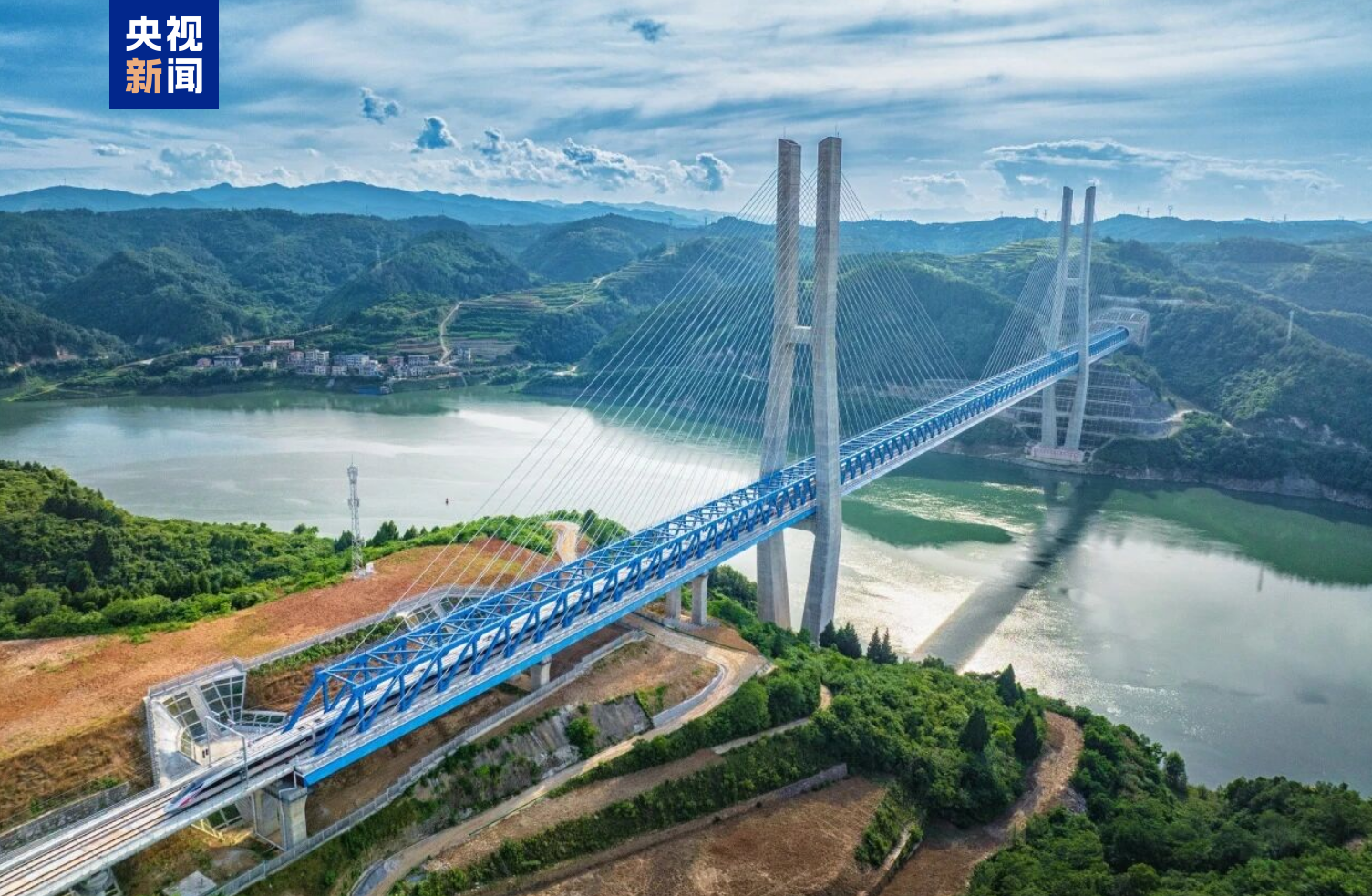
The opening of the Xi’an-Shiyan high-speed railway is a classic example of high-efficiency infrastructure deployment aimed at rebalancing regional development. By connecting the capitals of Shaanxi and Hubei provinces with a designed speed of 350 km per hour, this 257-km line functions as a high-speed logistical artery, significantly reducing the friction of geographic distance. The data is transformative: travel time between Xi’an and Wuhan has been reduced by approximately 40%, dropping from 4.5 hours to just 2 hours and 41 minutes. Perhaps even more impressive is the efficiency gain on the direct route between Xi’an and Shiyan, where transit times have plummeted from over 6 hours to less than 60 minutes—a reduction of over 80%.
From an engineering and strategic perspective, this project is a triumph of technical execution. Chief designer Mao Lei noted that the line traverses a "natural geological museum," requiring that over 90% of the track be elevated on bridges or routed through tunnels. This massive capital expenditure—budgeted to overcome complex topography—highlights the priority placed on regional connectivity. By integrating this link into the wider network, including the existing Wuhan-Shiyan line, authorities are successfully optimizing the supply chain and labor mobility between western and central China. As highlighted by People's Daily, these infrastructural corridors are essential for injecting new momentum into the Yangtze River Economic Belt, serving as a catalyst for growth in inland cities that were previously constrained by longer transit cycles.
The ripple effects of this increased connectivity extend far beyond simple passenger convenience. For businesses operating within this economic corridor, the shortened travel times mean lower operational costs, faster inventory turnover, and a more integrated regional market. When transit speed and frequency improve, we typically see a positive correlation with increased economic density and investment volume. By effectively shrinking the distance between economic hubs, this rail line encourages a more seamless distribution of talent, resources, and services. As China continues to focus on coordinated regional development, these high-speed rail projects remain one of the most effective strategies to standardize economic performance across different provinces, ensuring that inland areas participate fully in the nation's broader growth trajectory.
News source: https://peoplesdaily.pdnews.cn/china/er/30052524535
Klar for å bli kjent med naboene dine?
Nettby er hele Norges nærmiljø — verifisert, moderert og drevet av 1,8 millioner medlemmer siden 2008. Gratis å starte, lokalt forankret.